


Can grain cleaning machines be used for cleaning grains in a high - altitude area?
As a supplier of grain cleaning machines, I often receive inquiries from customers in high - altitude areas about the suitability of our equipment for their specific environments. High - altitude areas, typically defined as regions above 1500 meters above sea level, present unique challenges that can impact the performance of grain cleaning machines. In this blog, I will explore whether grain cleaning machines can be effectively used in high - altitude areas and what considerations need to be taken into account.
The Impact of High - Altitude on Grain Cleaning Machines
One of the most significant factors affected by high altitude is air density. As altitude increases, air density decreases. This has several implications for grain cleaning machines. For example, in machines that rely on air flow for separation, such as pneumatic grain cleaners, the reduced air density can lead to a decrease in the efficiency of the air - based separation process. The lower air density means that the air has less force to carry and separate lighter impurities from the grains.
Another aspect is the performance of engines and motors. Many grain cleaning machines are powered by engines or electric motors. At high altitudes, the oxygen content in the air is lower. For internal combustion engines, this can result in incomplete combustion, leading to reduced power output and increased fuel consumption. Electric motors may also be affected by the lower air density, as the cooling efficiency can be reduced, potentially causing overheating.
Temperature variations are also more extreme in high - altitude areas. During the day, the sun can heat up the environment significantly, while at night, temperatures can drop rapidly. These large temperature fluctuations can affect the mechanical components of grain cleaning machines. For instance, expansion and contraction of metal parts due to temperature changes can lead to loosening of connections and increased wear and tear.
Suitability of Different Types of Grain Cleaning Machines
Let's take a look at some of the common types of grain cleaning machines and their suitability for high - altitude areas.
-
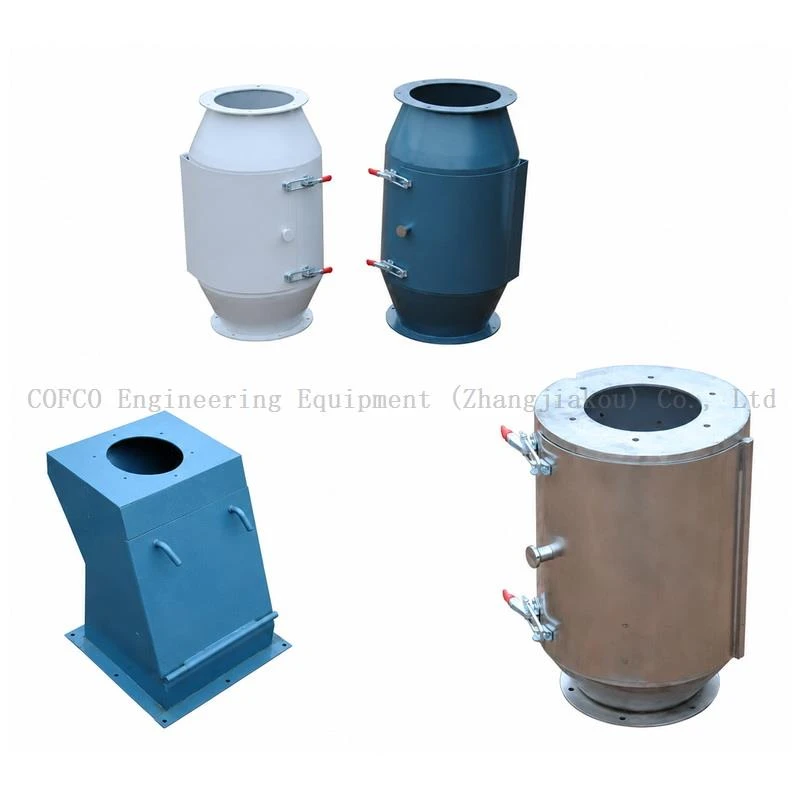
Magnetic Grain Separator: A Magnetic Grain Separator works by using magnetic fields to remove ferrous metal impurities from grains. This type of machine is relatively less affected by high - altitude conditions. Since its operation is based on magnetic forces rather than air flow or engine performance, it can be used effectively in high - altitude areas. The only potential issue could be the impact of temperature variations on the magnetic properties of the separator, but modern magnetic separators are designed to withstand a wide range of temperatures.
-
Cylindrical Grain Scalper: A Cylindrical Grain Scalper is used to remove large impurities from grains through a rotating cylindrical screen. The main concern in high - altitude areas for this machine is the motor performance. If the motor is not properly adjusted for the lower oxygen content and air density, it may experience reduced power. However, with appropriate motor sizing and adjustment, it can still function well.
-
Intensive Dampener: An Intensive Dampener is used to add moisture to grains. The operation of this machine is mainly related to the mechanical mixing and water addition processes. While the reduced air density may have a minor impact on the air - assisted water distribution system, it is generally not a major concern. However, the temperature variations can affect the water evaporation rate, which needs to be considered when setting the moisture addition parameters.
-
Horizontal Gyratory Sifter: A Horizontal Gyratory Sifter separates grains based on their size and shape through a gyratory motion. Similar to the cylindrical grain scalper, the motor performance is a key factor. The reduced air density may also affect the movement of the sifting material to some extent. But with proper design and adjustment, it can be used in high - altitude areas.

-
Horizontal Wheat Scourer: A Horizontal Wheat Scourer is used to remove the outer layer of wheat grains. The mechanical components of this machine need to be able to withstand the temperature variations in high - altitude areas. The air flow used for dust removal may be affected by the reduced air density, but this can be compensated for by adjusting the fan speed.
Adaptations for High - Altitude Use
To ensure the effective use of grain cleaning machines in high - altitude areas, several adaptations can be made.
For engines, it is important to adjust the fuel - air mixture to account for the lower oxygen content. This can be done through carburetor adjustments or the use of electronic fuel injection systems that can automatically adjust to the altitude. Engine cooling systems may also need to be upgraded to ensure proper heat dissipation in the lower air density environment.
For machines that rely on air flow, such as pneumatic separators, larger fans or blowers may be required to compensate for the reduced air density. Additionally, the design of the air ducts and separation chambers may need to be optimized to improve the efficiency of the air - based separation process.
In terms of mechanical components, using materials that are more resistant to temperature variations can help reduce the impact of the extreme temperature changes. Regular maintenance and inspection are also crucial to detect and address any issues caused by temperature - related expansion and contraction.
Conclusion
In conclusion, grain cleaning machines can be used in high - altitude areas, but certain considerations and adaptations are necessary. Different types of machines are affected to different degrees by high - altitude conditions, and appropriate measures need to be taken to ensure their optimal performance.
If you are in a high - altitude area and are looking for grain cleaning machines, we are here to help. Our team of experts can provide you with detailed advice on the selection and adaptation of our machines to meet your specific needs. We understand the challenges of high - altitude environments and are committed to providing you with reliable and efficient grain cleaning solutions. Contact us for more information and to discuss your procurement requirements.
References
- Smith, J. (2018). Effects of High Altitude on Industrial Machinery. Journal of Industrial Engineering, 25(3), 123 - 135.
- Brown, A. (2019). Adaptation of Agricultural Equipment for High - Altitude Conditions. Agricultural Science Review, 18(2), 78 - 85.
- Johnson, R. (2020). Air Density and its Impact on Pneumatic Systems. Engineering Physics Journal, 32(4), 201 - 212.