


As a supplier of Electrical Fluting Machines, I've had the privilege of witnessing the remarkable capabilities of these devices in various industrial applications. Electrical Fluting Machines are widely used in industries such as paper, packaging, and manufacturing to create fluted patterns on materials. However, like any technology, they come with their own set of limitations. In this blog post, I'll delve into some of the key limitations of Electrical Fluting Machines to provide a comprehensive understanding for potential buyers and industry enthusiasts.
1. Initial Investment and Cost
One of the most significant limitations of Electrical Fluting Machines is the high initial investment required. These machines are complex pieces of equipment that incorporate advanced electrical and mechanical components. The cost of purchasing an Electrical Fluting Machine can be substantial, especially for small and medium - sized enterprises (SMEs). In addition to the purchase price, there are also costs associated with installation, training, and commissioning.
For example, a high - end Electrical Fluting Machine can cost tens of thousands of dollars. SMEs may find it difficult to allocate such a large amount of capital for a single piece of equipment, which can limit their ability to upgrade or expand their production capabilities. Moreover, the cost of maintenance and repair over the machine's lifespan can also add up significantly. Regular maintenance is essential to ensure the smooth operation of the machine, and any major breakdowns can result in costly repairs and downtime.
2. Energy Consumption
Electrical Fluting Machines are power - hungry devices. They rely on electricity to drive their motors, heating elements (in some cases), and other components. The high energy consumption not only increases the operational cost but also has environmental implications. In an era where energy efficiency is a top priority for many industries, the high energy usage of Electrical Fluting Machines can be a drawback.
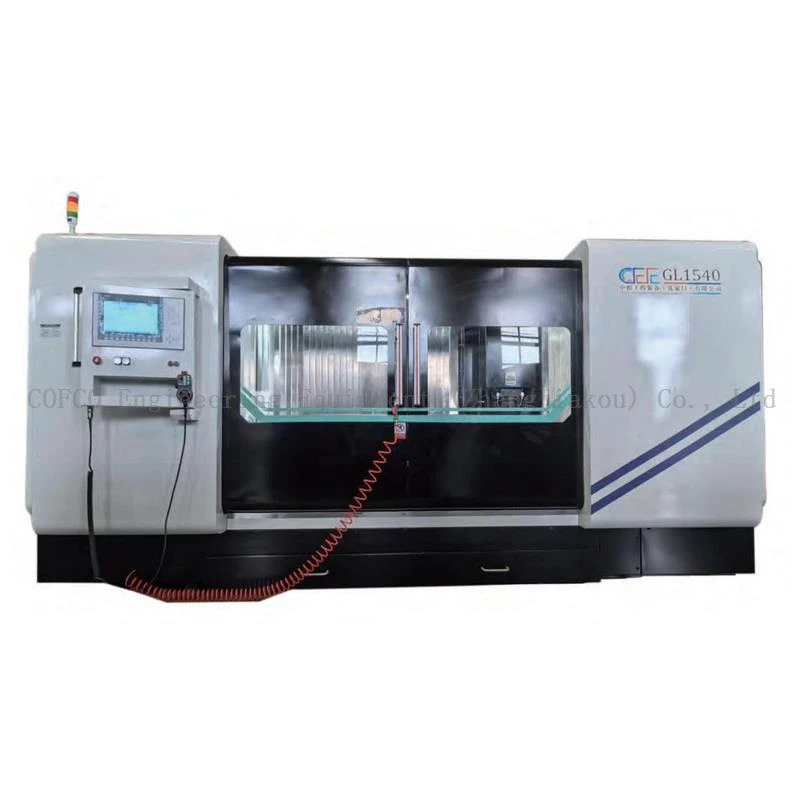
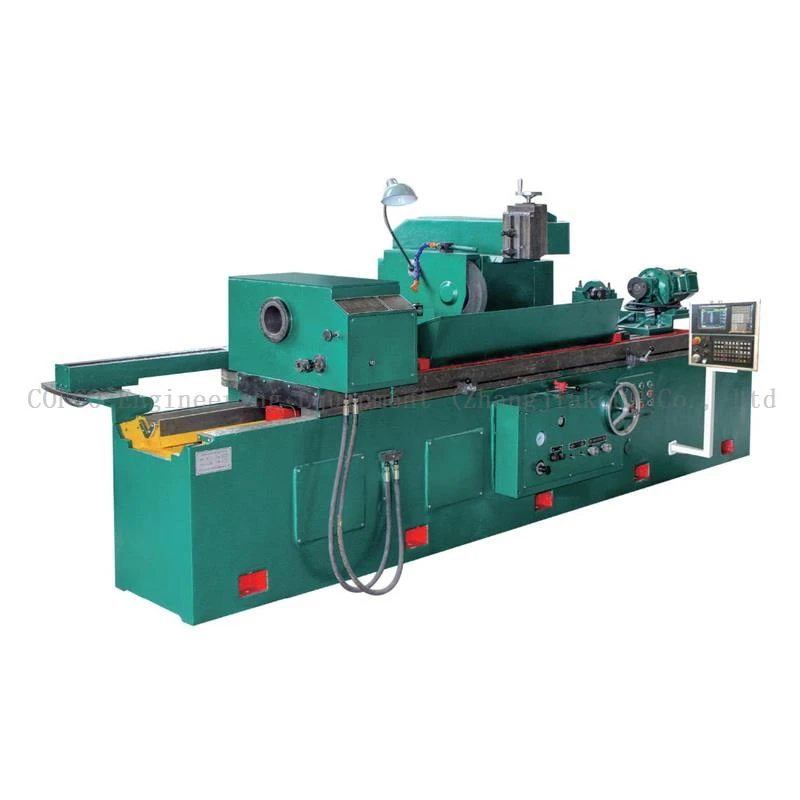
The motors in these machines need to generate enough power to rotate the fluting rollers at high speeds and apply the necessary pressure to create the fluted patterns. Additionally, if the machine has heating elements for processes like thermo - fluting, the energy consumption can be even higher. This continuous demand for electricity can lead to large utility bills, which can eat into the profit margins of businesses.
3. Limited Material Compatibility
Another limitation of Electrical Fluting Machines is their limited material compatibility. These machines are typically designed to work with specific types of materials, such as paper, cardboard, and some thin plastics. While they can handle a wide range of paper grades, they may not be suitable for more exotic or specialized materials.
For instance, if a company wants to flute a material with unique properties, such as high - strength composites or thick rubber sheets, an Electrical Fluting Machine may not be able to achieve the desired results. The design of the fluting rollers and the pressure application mechanism are optimized for certain material characteristics, and using incompatible materials can lead to poor fluting quality, damage to the machine, or even safety hazards.
4. Maintenance Requirements
Electrical Fluting Machines require regular and meticulous maintenance to ensure their optimal performance. The electrical components, such as motors, sensors, and control panels, need to be inspected and serviced regularly to prevent malfunctions. The mechanical parts, including the fluting rollers, bearings, and gears, also need to be lubricated, adjusted, and replaced as needed.
The complexity of the machine means that maintenance often requires specialized knowledge and skills. This can be a challenge for some companies, especially those without in - house maintenance teams. Hiring external maintenance services can be expensive, and any delays in maintenance can lead to reduced productivity and increased downtime. For example, if the fluting rollers are not properly maintained, they can wear out unevenly, resulting in inconsistent fluting quality.
5. Speed and Throughput Limitations
Although there are High Speed Fluting Machines available in the market, Electrical Fluting Machines still have certain speed and throughput limitations. The speed at which the machine can operate is determined by factors such as the power of the motor, the design of the fluting rollers, and the material being processed.
In high - volume production environments, the limited speed and throughput of Electrical Fluting Machines can become a bottleneck. For example, if a company needs to produce a large quantity of fluted products within a short period, the machine may not be able to keep up with the demand. This can lead to delayed orders and missed business opportunities.
6. Noise and Vibration
Electrical Fluting Machines can generate significant noise and vibration during operation. The noise is mainly produced by the motors, gears, and the movement of the fluting rollers. The high - pitch noise can be a nuisance to workers in the vicinity and may even pose a health risk if proper noise - reduction measures are not taken.
Vibration can also cause problems. Excessive vibration can lead to premature wear and tear of the machine's components, as well as affect the quality of the fluted products. In some cases, the vibration can cause the machine to move or become unstable, which can be dangerous for operators. To mitigate these issues, companies may need to invest in additional noise - reduction and vibration - damping equipment, which adds to the overall cost.
7. Limited Customization Options
While Electrical Fluting Machines can produce a wide range of fluted patterns, the customization options may be limited. The design of the fluting rollers is often fixed, and changing the pattern may require replacing the rollers, which can be time - consuming and expensive.
Some companies may have specific requirements for the shape, size, and depth of the flutes, but the standard Electrical Fluting Machines may not be able to meet these customized needs. This can be a disadvantage for businesses that are looking for unique and innovative fluted products to differentiate themselves in the market.
Conclusion and Call to Action
Despite these limitations, Electrical Fluting Machines still offer many advantages in terms of precision, efficiency, and automation. At our company, we are constantly working on improving our products to overcome these limitations. We are researching new technologies to reduce energy consumption, increase material compatibility, and enhance customization options.
If you are in the market for an Electrical Fluting Machine, High Speed Fluting Machine or Hydraulic Fluting Machine, we encourage you to contact us for a detailed discussion. Our team of experts can help you understand how our machines can be tailored to your specific needs and how we can address any concerns you may have regarding the limitations.
References
- Industry reports on the usage and development of electrical fluting machines
- Technical specifications of different electrical fluting machines from various manufacturers