


A wheat roller mill is a crucial piece of equipment in the grain processing industry, designed to transform wheat grains into various end products such as flour, semolina, and bran. It operates on the principle of using cylindrical rollers to crush, grind, and separate the components of the wheat kernel. As a leading supplier of wheat roller mills, we understand the importance of each component in ensuring efficient and high - quality milling operations.
1. Rollers
Rollers are the heart of a wheat roller mill. They come in pairs and rotate at different speeds and may have different surface characteristics.
- Material and Design: Most rollers are made of chilled cast iron or steel. Chilled cast - iron rollers are popular due to their high hardness and wear resistance. The surface of the rollers can be either smooth or corrugated. Corrugated rollers are used in the initial stages of milling. The corrugations on the rollers help to break the wheat kernels open and separate the bran from the endosperm. Smooth rollers, on the other hand, are used for fine grinding to produce a more refined product.
- Speed and Differential: The two rollers in a pair rotate at different speeds, creating a shearing action. This speed differential is crucial for effective milling. For example, in our MMV MMVL Roller Mill, the carefully calibrated speed differential ensures that the wheat kernels are processed efficiently, maximizing the extraction of endosperm while minimizing bran contamination.
2. Feeding System
The feeding system is responsible for delivering the wheat grains evenly to the rollers.
- Hopper: It is the starting point of the feeding process. The hopper stores the wheat before it is fed into the mill. A well - designed hopper should have a sufficient capacity to hold an adequate amount of wheat for continuous operation. It also needs to prevent clumping of the grains and ensure a smooth flow.
- Feed Rollers: These rollers are located below the hopper. They help to control the flow rate of the wheat into the mill. The feed rollers are adjustable, allowing the operator to regulate the amount of wheat that reaches the main milling rollers. This control is essential for maintaining consistent milling quality. In our MMT MMTL Roller Mill, the advanced feeding system ensures a uniform and controlled supply of wheat, enhancing the overall performance of the mill.
3. Frame and Housing
The frame and housing provide structural support and protection for the internal components of the mill.
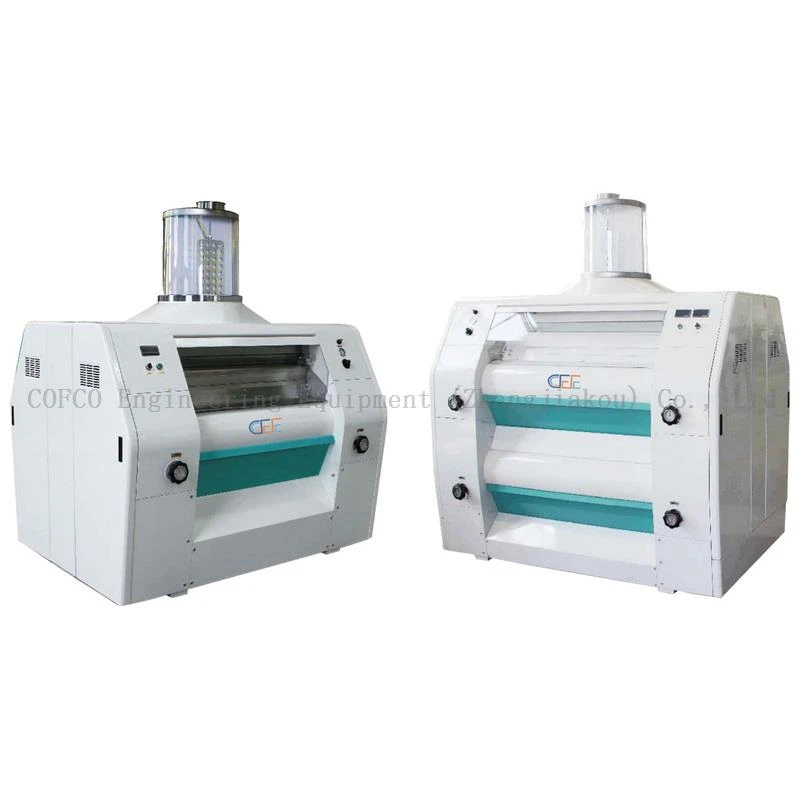
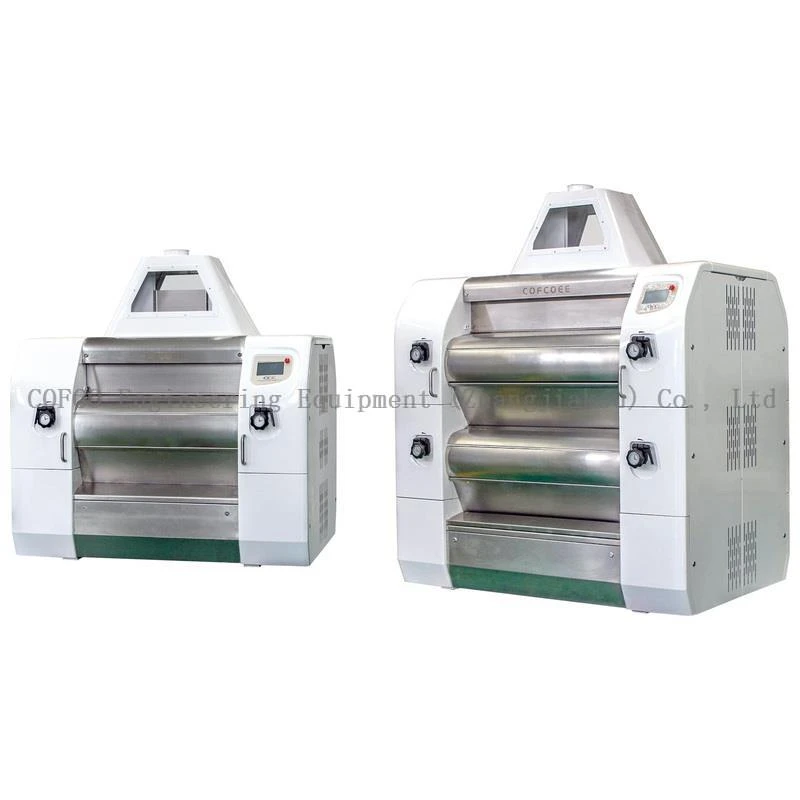
- Sturdy Construction: The frame is typically made of heavy - duty steel or cast iron. It must be rigid enough to withstand the vibrations and forces generated during the milling process. A stable frame is essential for maintaining the alignment of the rollers, which directly affects the quality of the milling output.
- Enclosure: The housing encloses the rollers and other moving parts. It serves multiple purposes, including protecting the operators from moving parts, reducing noise levels, and preventing dust from escaping into the environment. The housing is also designed to be easy to access for maintenance and cleaning. Our MMR MMRL Roller Mill features a robust frame and well - designed housing that meets the highest safety and performance standards.
4. Transmission System
The transmission system is responsible for transferring power from the motor to the rollers.
- Belts and Pulleys: In many wheat roller mills, belts and pulleys are used to transmit power. They are a cost - effective and reliable way to transfer power while allowing for some flexibility in the speed ratio. The belts need to be properly tensioned to ensure efficient power transfer and prevent slippage.
- Gears: Some high - performance mills may use gears for power transmission. Gears offer a more precise and efficient power transfer, especially in mills that require high torque and speed control. The choice between belts and gears depends on the specific requirements of the milling operation.
5. Sieve System
The sieve system is used to separate the different components of the milled product.
- Sifter: After the wheat is passed through the rollers, the resulting mixture of flour, bran, and other particles is sent to the sifter. The sifter consists of a series of sieves with different mesh sizes. The sieves are vibrated or rotated to ensure efficient separation. The finer particles, such as flour, pass through the smaller mesh sieves, while the coarser particles, like bran, are retained on the larger mesh sieves.
- Purifier: In some cases, a purifier is also used. A purifier further refines the separation process by using air currents to separate the particles based on their density and size. This helps to produce a higher - quality end product with less bran contamination.
6. Control System
The control system allows the operator to monitor and adjust the operation of the mill.
- Automation: Modern wheat roller mills are often equipped with advanced automation systems. These systems can control various parameters such as roller speed, feed rate, and sieve vibration. Automation helps to improve the consistency of the milling process and reduces the need for manual intervention.
- Monitoring: The control system also includes sensors and meters that monitor the performance of the mill. For example, temperature sensors can detect overheating, and pressure sensors can ensure proper roller pressure. This real - time monitoring allows the operator to take corrective actions quickly if any issues arise.
As a professional supplier of wheat roller mills, we have dedicated ourselves to providing high - quality and reliable equipment. Our mills, including the MMV MMVL Roller Mill, MMT MMTL Roller Mill, and MMR MMRL Roller Mill, are designed with the latest technology and the best - quality components to meet the diverse needs of the grain processing industry.
If you are in the market for a wheat roller mill, we invite you to contact us for detailed product information and to discuss your specific requirements. Our team of experts is ready to provide you with professional advice and solutions to help you achieve the best milling results.
References
- Bhattacharya, K. R., & Pomeranz, Y. (1989). Wheat flour milling. Springer Science & Business Media.
- Posner, E. S., & Hibbs, B. H. (2005). Wheat flour: chemistry and technology. American Association of Cereal Chemists.