


As a supplier of Plansifter Outlet Spouts, I've witnessed firsthand the challenges that millers face when it comes to optimizing the efficiency of these crucial components. In this blog, I'll share some practical strategies and insights on how to improve the efficiency of a plansifter outlet spout, drawing on my experience in the industry.
Understanding the Role of Plansifter Outlet Spouts
Before delving into the ways to enhance efficiency, it's essential to understand the role of plansifter outlet spouts. These spouts are responsible for directing the flow of processed materials from the plansifter to the next stage of the milling process. They play a critical role in ensuring a smooth and continuous flow of materials, which is essential for maintaining high productivity and product quality.
Common Challenges in Plansifter Outlet Spout Efficiency
There are several common challenges that can affect the efficiency of plansifter outlet spouts. These include:
- Clogging: One of the most common issues is clogging, which can occur due to the accumulation of fine particles, debris, or foreign objects in the spout. Clogging can disrupt the flow of materials, leading to reduced productivity and increased downtime.
- Inefficient Flow: Poorly designed or installed spouts can result in inefficient flow patterns, causing materials to accumulate or flow unevenly. This can lead to inconsistent product quality and reduced overall efficiency.
- Wear and Tear: Over time, plansifter outlet spouts can experience wear and tear, especially in high-volume milling operations. This can lead to leaks, reduced flow rates, and increased maintenance requirements.
Strategies to Improve Efficiency
To address these challenges and improve the efficiency of plansifter outlet spouts, the following strategies can be implemented:
1. Regular Maintenance and Cleaning
Regular maintenance and cleaning are essential for preventing clogging and ensuring the smooth operation of plansifter outlet spouts. This includes:
- Inspection: Conduct regular inspections of the spouts to check for signs of wear, damage, or clogging. Look for any blockages, leaks, or abnormal flow patterns.
- Cleaning: Clean the spouts regularly to remove any accumulated debris, dust, or foreign objects. Use appropriate cleaning tools and techniques to ensure thorough cleaning without damaging the spouts.
- Lubrication: Apply lubricants to the moving parts of the spouts to reduce friction and wear. This can help to extend the lifespan of the spouts and improve their performance.
2. Optimal Design and Installation
The design and installation of plansifter outlet spouts can have a significant impact on their efficiency. Consider the following factors when designing and installing spouts:
- Size and Shape: Choose the appropriate size and shape of the spouts based on the flow rate and characteristics of the materials being processed. Ensure that the spouts are large enough to accommodate the volume of materials without causing clogging.
- Angle and Slope: Install the spouts at the correct angle and slope to ensure a smooth and continuous flow of materials. A steep slope can help to prevent clogging, while a gentle slope can reduce the risk of material damage.
- Connection and Sealing: Ensure that the spouts are properly connected and sealed to prevent leaks and ensure a tight fit. Use high-quality gaskets and connectors to minimize the risk of air and material leakage.
3. Use of High-Quality Materials
Using high-quality materials for plansifter outlet spouts can help to improve their durability and performance. Consider the following materials:
- Stainless Steel: Stainless steel is a popular choice for plansifter outlet spouts due to its corrosion resistance, durability, and ease of cleaning. It can withstand high temperatures and pressures, making it suitable for use in harsh milling environments.
- Polymer Materials: Polymer materials, such as polyethylene and polypropylene, are lightweight, flexible, and resistant to abrasion. They can be used to reduce the weight of the spouts and improve their flow characteristics.
- Composite Materials: Composite materials, such as fiberglass and carbon fiber, offer a combination of strength, durability, and light weight. They can be used to create custom-designed spouts that meet specific requirements.
4. Incorporation of Advanced Technologies
Advanced technologies can be used to enhance the efficiency of plansifter outlet spouts. Some examples include:
- Flow Sensors: Install flow sensors in the spouts to monitor the flow rate and detect any abnormalities. This can help to identify potential issues early and take corrective action before they cause significant problems.
- Automated Cleaning Systems: Use automated cleaning systems to clean the spouts regularly without the need for manual intervention. This can save time and reduce the risk of human error.
- Smart Control Systems: Implement smart control systems to optimize the operation of the spouts based on real-time data. This can help to improve the efficiency of the milling process and reduce energy consumption.
Related Products for Enhanced Efficiency
In addition to the strategies mentioned above, there are several related products that can help to enhance the efficiency of plansifter outlet spouts. These include:
- Screen Cleaning Block: Screen cleaning blocks are used to clean the screens in the plansifter, preventing clogging and ensuring a smooth flow of materials.
- Milling Roll for Grain: Milling rolls are used to grind the grains into flour. Using high-quality milling rolls can improve the efficiency of the milling process and reduce the wear and tear on the plansifter outlet spouts.
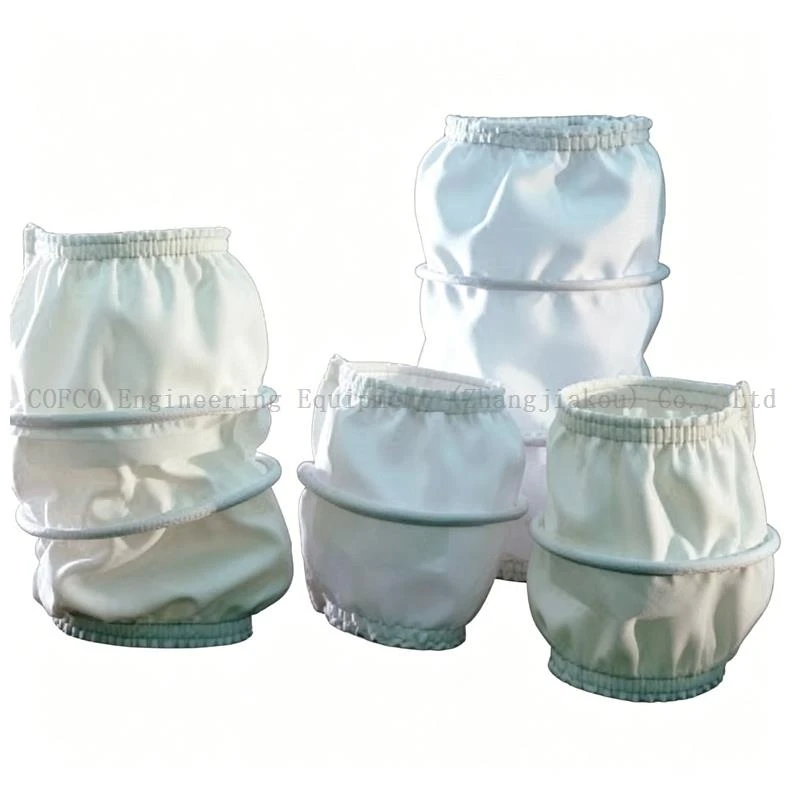
- Connect Sleeve: Connect sleeves are used to connect the plansifter outlet spouts to other components in the milling system. Using high-quality connect sleeves can ensure a tight fit and prevent leaks.
- Plansifter Aluminum Screen Frame: Plansifter aluminum screen frames are used to support the screens in the plansifter. Using lightweight and durable aluminum screen frames can improve the efficiency of the plansifter and reduce the risk of screen damage.
Conclusion
Improving the efficiency of a plansifter outlet spout is essential for maintaining high productivity and product quality in the milling industry. By implementing the strategies and using the related products mentioned in this blog, millers can optimize the performance of their plansifter outlet spouts and reduce the risk of downtime and maintenance issues.
If you're interested in learning more about our Plansifter Outlet Spout products or have any questions about improving the efficiency of your plansifter outlet spouts, please feel free to contact us. We're here to help you find the best solutions for your milling needs.

References
- Smith, J. (2020). Milling Technology: Principles and Practice. Wiley.
- Jones, A. (2019). Handbook of Flour Milling. Springer.
- Brown, R. (2018). Grain Processing Technology. CRC Press.