


Operating a Sieve Stretching Machine isn't a walk in the park. As a supplier of these machines, I've seen firsthand what it takes to handle this equipment effectively. There are several key requirements for the operator of a Sieve Stretching Machine, and I'm gonna break them down for you in this blog post.
Technical Knowledge
First off, an operator needs to have a solid grasp of technical knowledge related to the Sieve Stretching Machine. This includes understanding how the machine works, its different components, and how they interact. For example, knowing the function of the tensioning system is crucial. If the operator doesn't understand how to properly adjust the tension, it can lead to unevenly stretched sieves, which are no good for the end - product.
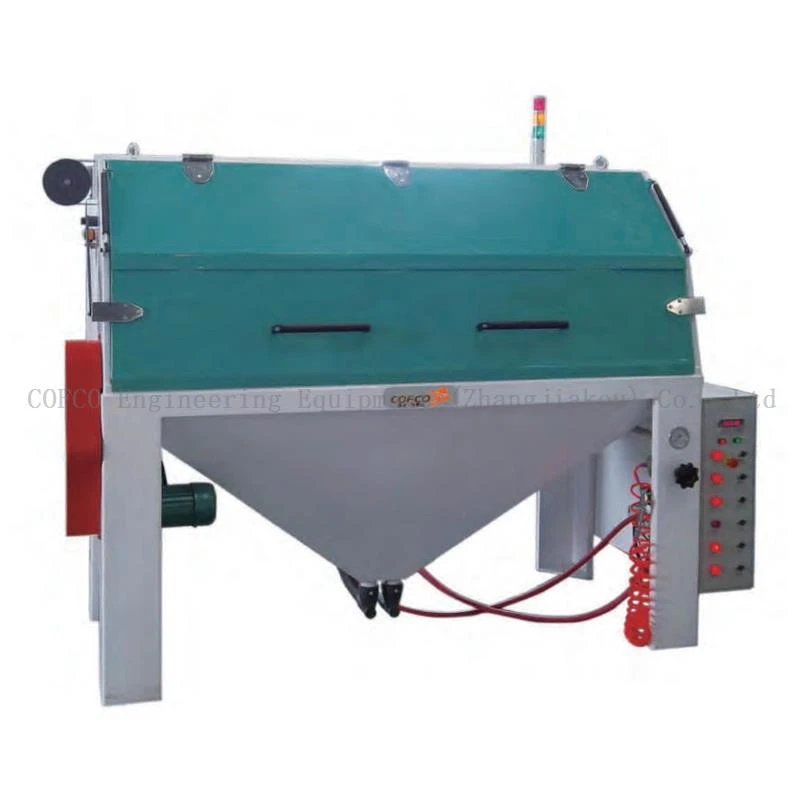
The operator should also be familiar with the control panel of the machine. Most modern Sieve Stretching Machines come with advanced control systems that allow for precise adjustments. Being able to read and interpret the controls, such as setting the correct stretching speed and force, is essential. Without this technical know - how, the machine won't operate at its best, and you might end up with a bunch of defective sieves.
Safety Awareness
Safety is a top priority when operating any industrial machine, and the Sieve Stretching Machine is no exception. Operators need to be fully aware of the potential safety hazards associated with the machine. For instance, the moving parts of the machine can cause serious injuries if proper safety precautions aren't taken.
Before starting the machine, the operator should always conduct a safety check. This involves inspecting the safety guards to make sure they're in place and functioning correctly. Safety guards prevent the operator from accidentally coming into contact with moving parts. Additionally, the operator should wear appropriate personal protective equipment (PPE), like safety glasses, gloves, and steel - toed boots.
Another aspect of safety awareness is understanding the emergency stop procedures. In case of an unexpected event or malfunction, the operator should know exactly where the emergency stop button is and how to use it quickly. This can prevent serious accidents and damage to the machine.
Physical Fitness
Operating a Sieve Stretching Machine can be physically demanding. The operator may need to lift and position heavy sieves onto the machine. Although some machines have automated loading systems, there's still sometimes a need for manual handling. Good physical strength and endurance are necessary to perform these tasks safely and efficiently.
The operator also needs to be able to stand for long periods. Many production runs on Sieve Stretching Machines can take hours, and the operator has to be present to monitor the process. So, having good physical fitness helps in maintaining concentration and productivity throughout the work shift.
Attention to Detail
When stretching sieves, the smallest error can make a big difference. Operators need to have a high level of attention to detail. They should be able to notice any signs of wear or damage on the sieves before they start the stretching process. If a damaged sieve is stretched, it can lead to further breakage or produce an uneven product.
During the stretching process, the operator needs to closely monitor the tension and the alignment of the sieve. A tiny misalignment can cause the sieve to be stretched incorrectly. By paying close attention to these details, the operator can ensure that every sieve that comes out of the machine meets the required standards.
Training and Certification
Formal training is a must for operators of Sieve Stretching Machines. A well - trained operator has a better understanding of the machine's operation and safety procedures. As a supplier, we usually offer training programs for our customers. These programs cover everything from the basics of machine operation to advanced troubleshooting techniques.
In addition to training, getting a relevant certification can be beneficial. Certifications show that the operator has met certain industry standards and has the necessary skills to operate the machine safely and effectively. Employers often prefer to hire operators with certifications, as it gives them an extra level of confidence in the operator's abilities.
Maintenance Skills
A good operator should also have some basic maintenance skills. Regular maintenance is crucial for the longevity and performance of the Sieve Stretching Machine. The operator should know how to perform simple tasks like cleaning the machine, lubricating the moving parts, and checking the belts and chains for wear.
By performing these maintenance tasks regularly, the operator can prevent major breakdowns and keep the machine running smoothly. If the operator notices any signs of a problem, like unusual noises or vibrations, they should be able to report it immediately and, if possible, carry out some basic troubleshooting.
Knowledge of Complementary Equipment
As an operator, it's also useful to have knowledge of other related equipment in the production line. For example, if your company also uses Hydraulic Fluting Machine, High Speed Fluting Machine, Electrical Fluting Machine, Hydraulic Roller Change Dolly, or Roller Surface Sand Blasting Machine, understanding how they work can help in the overall production process.
This knowledge can help in coordinating the workflow between different machines and ensure that the sieves are processed correctly from start to finish.

Problem - Solving Abilities
Things don't always go as planned, and that's where an operator's problem - solving abilities come in handy. When a machine malfunctions or a production issue arises, the operator should be able to think on their feet and come up with solutions.
For example, if the sieve isn't stretching evenly, the operator should be able to analyze the problem and figure out what might be causing it. It could be a problem with the tension settings, a misaligned part, or something else. By having good problem - solving skills, the operator can minimize downtime and keep the production line moving.
Communication Skills
Finally, good communication skills are essential for an operator of a Sieve Stretching Machine. They need to be able to communicate effectively with their colleagues, supervisors, and maintenance staff. If there's a problem with the machine or a change in the production requirements, the operator should be able to convey this information clearly.
Communication also helps in coordinating the work with other departments. For example, if the quality control department has some specific requirements for the sieves, the operator should be able to understand and implement them accurately.
If you're in the market for a Sieve Stretching Machine or want to discuss further about the requirements for its operation, feel free to reach out. We're here to provide you with the best equipment and guidance to ensure your production process runs smoothly.
References
- Industrial Machinery Handbook
- Safety Guidelines for Sieve Stretching Machines provided by industry associations.