


Operating a fluting machine requires strict adherence to safety precautions to prevent accidents and ensure the well - being of operators. As a fluting machine supplier, we understand the significance of safety in the operation of these machines. In this blog, we will discuss the essential safety precautions that operators should take when operating a fluting machine.
1. Pre - operation Checks
Before starting the fluting machine, a series of pre - operation checks should be carried out. First, inspect the machine's physical condition. Check for any visible signs of damage, such as cracks in the frame, loose parts, or frayed cables. A damaged machine can malfunction during operation, leading to serious safety hazards.
Next, examine the lubrication system. Adequate lubrication is crucial for the smooth operation of the fluting machine. Insufficient lubrication can cause excessive friction, overheating, and premature wear of components. Make sure the lubricant levels are within the recommended range and that the lubrication points are clean and free from debris.
Verify the electrical connections if it is an Electrical Fluting Machine. Loose or faulty electrical connections can result in electrical shocks, short - circuits, or even fires. Ensure that all plugs are properly inserted, and there are no exposed wires. For Hydraulic Fluting Machines, check the hydraulic fluid level and look for any signs of leaks. A hydraulic leak can reduce the machine's performance and pose a slipping hazard.
2. Operator Training
Proper training is indispensable for anyone who operates a fluting machine. Operators should be thoroughly trained on the machine's functions, controls, and safety features. They should understand how to start, stop, and adjust the machine correctly. Training should also cover emergency procedures, such as how to shut down the machine in case of an emergency.

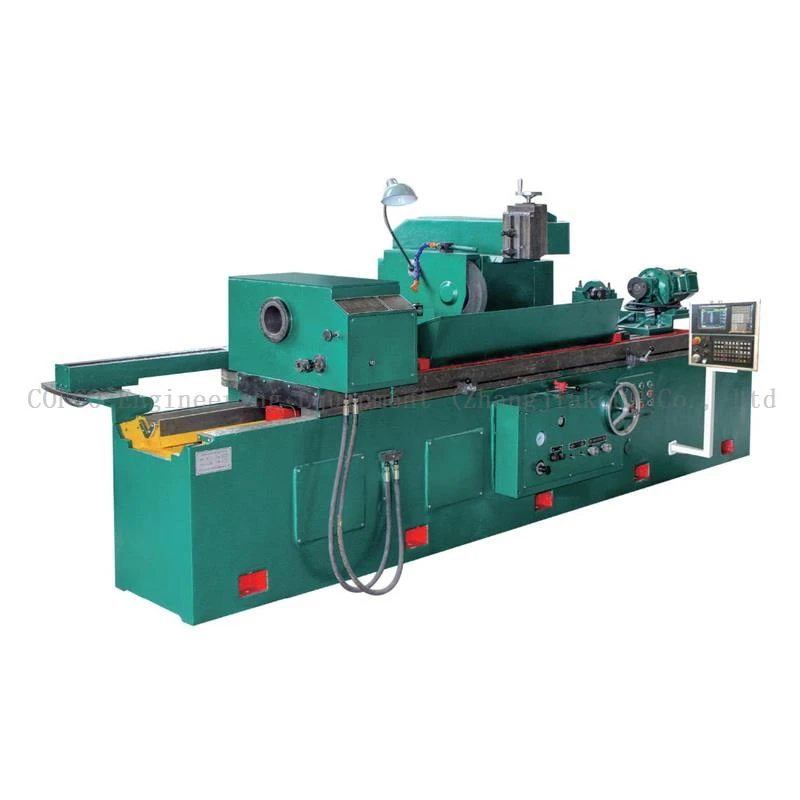
Our company provides comprehensive training programs for operators of our fluting machines. These programs include both theoretical and practical training. In the theoretical part, operators learn about the machine's working principles, safety regulations, and potential hazards. The practical training allows operators to gain hands - on experience in operating the machine under the guidance of experienced instructors.
By ensuring that operators are well - trained, we can significantly reduce the risk of accidents caused by human error. Untrained operators may not be aware of the proper operating procedures, which can lead to dangerous situations.
3. Personal Protective Equipment (PPE)
Wearing appropriate personal protective equipment is a fundamental safety measure when operating a fluting machine. Operators should wear safety glasses to protect their eyes from flying debris, such as wood chips or metal shavings. Safety glasses with side shields provide additional protection.
Ear protection is also necessary, especially for High Speed Fluting Machines, as they can generate high - levels of noise. Prolonged exposure to noise can cause hearing damage. Earplugs or earmuffs can effectively reduce the noise level to a safe range.
Gloves should be worn to protect the hands from cuts, abrasions, and burns. However, operators should ensure that the gloves fit properly and are not too bulky, as loose gloves can get caught in the machine's moving parts.
In addition, operators should wear safety shoes to protect their feet from falling objects or potential crushing hazards. A hard - toe safety shoe is recommended to provide maximum protection.
4. Safe Machine Operation
During the operation of the fluting machine, operators should follow several key safety rules. First, keep hands and other body parts away from the moving parts of the machine, such as the cutting blades or conveyor belts. Using tools, such as push sticks or tongs, to handle materials near the cutting area is a safer alternative.
Do not overload the machine. Each fluting machine has a specified maximum capacity, and exceeding this capacity can cause the machine to malfunction or break down. Overloading can also lead to an increased risk of accidents, such as blade breakage or material jams.
Maintain a clean work area around the fluting machine. Remove any debris, tools, or other objects that may interfere with the machine's operation. A cluttered work area can increase the risk of slips, trips, and falls.
When feeding materials into the machine, make sure the materials are properly aligned and securely held. Misaligned or loose materials can cause uneven cutting, which may lead to machine damage or operator injury.
5. Machine Maintenance
Regular machine maintenance is essential for ensuring the safety and reliability of the fluting machine. Follow the manufacturer's recommended maintenance schedule. This includes cleaning the machine after each use to remove dust, debris, and any remaining materials.
Inspect and replace worn - out parts regularly. Worn - out parts, such as blades or belts, can affect the machine's performance and increase the risk of accidents. Keep spare parts on hand to minimize downtime in case of a breakdown.
Calibrate the machine periodically to ensure accurate and consistent operation. Incorrect calibration can lead to poor - quality fluting and potential safety issues.
6. Emergency Response
Despite taking all the necessary safety precautions, emergencies can still occur. Therefore, it is crucial to have an effective emergency response plan in place. The emergency response plan should include procedures for shutting down the machine in case of an emergency, such as a fire, electrical shock, or a serious malfunction.
All operators should be familiar with the location of emergency stop buttons and how to use them. Emergency stop buttons should be easily accessible and clearly marked.
In addition, a first - aid kit should be readily available in the work area. Operators should be trained in basic first - aid procedures to provide immediate assistance in case of an injury.
7. Lock - out/Tag - out Procedures
For maintenance or repair work on the fluting machine, lock - out/tag - out procedures should be strictly followed. Lock - out/tag - out is a safety procedure that involves disconnecting the machine from its power source and applying a lock and a tag to prevent unauthorized re - energization.
Before starting any maintenance or repair work, the operator should turn off the machine, disconnect the power supply (electrical, hydraulic, or pneumatic), and lock and tag the power source. This ensures that the machine cannot be accidentally started while maintenance or repair is being carried out, protecting the maintenance personnel from potential hazards.
Conclusion
Operating a fluting machine safely requires a combination of pre - operation checks, proper operator training, the use of personal protective equipment, safe operation practices, regular machine maintenance, effective emergency response, and proper lock - out/tag - out procedures. By following these safety precautions, operators can minimize the risk of accidents and ensure a safe working environment.
As a leading fluting machine supplier, we are committed to providing high - quality fluting machines along with comprehensive safety information and support. If you are interested in purchasing a fluting machine or have any questions about safety precautions, please feel free to contact us for further discussion and negotiation.
References
- Industry - standard safety guidelines for industrial machinery operation.
- Manufacturer's manuals for fluting machines.