


Hey there! As a supplier of Vibro Dischargers, I've been getting a lot of questions lately about how to transport these nifty machines. So, I thought I'd share some tips and tricks I've learned over the years.
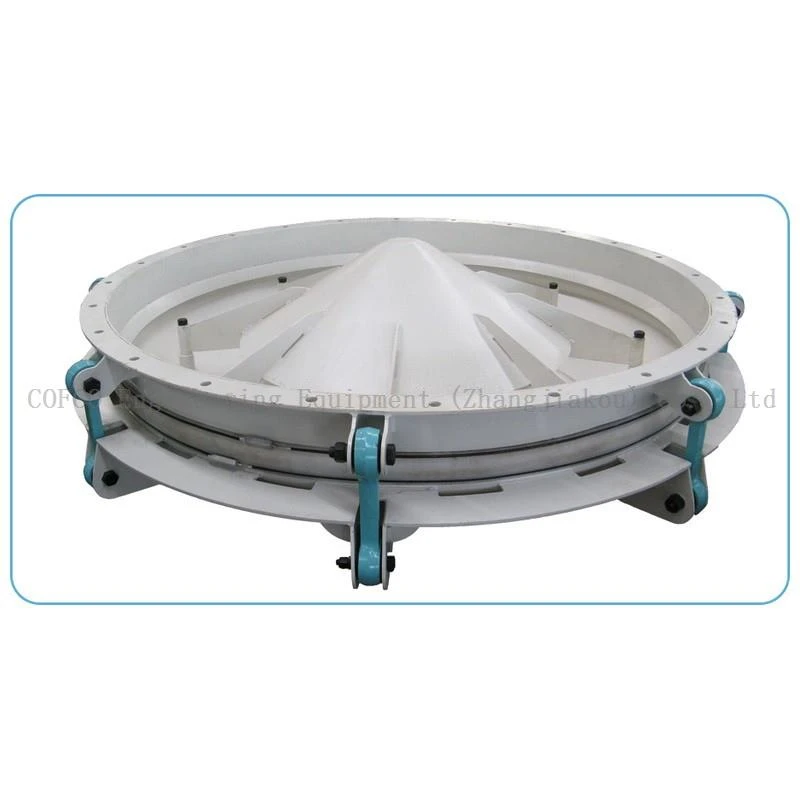
First off, let's talk about what a Vibro Discharger is. A Vibro Discharger is a critical piece of equipment in the industrial world, especially when it comes to handling dry bulk materials. It uses vibration to facilitate the flow of materials from storage containers, ensuring a smooth and efficient discharge process. You can find out more about it here.
Pre - Transport Preparations
Before you even think about moving a Vibro Discharger, there are some crucial steps you need to take.
Inspection
The first thing you should do is give the Vibro Discharger a thorough inspection. Check for any loose parts, damaged components, or signs of wear and tear. Tighten any loose bolts or screws, and make sure all the electrical connections are secure. If you find any issues, it's best to fix them before transportation to avoid further damage.
Cleaning
A clean machine is not only easier to transport but also less likely to cause problems during the journey. Remove all the remaining materials inside the Vibro Discharger. Use a suitable cleaning agent to clean the interior and exterior of the machine. This will prevent any spills or contamination during transport and also make it easier to perform maintenance after the move.
Disassembly
Depending on the size and design of the Vibro Discharger, you might need to disassemble some parts. However, this should be done with caution. Make sure you keep track of all the parts and label them properly. This will make reassembly much easier at the destination. For example, if the Vibro Discharger has a large hopper, you might want to remove it if possible.
Packaging
Once the machine is clean and any necessary disassembly is done, it's time to package it. Use high - quality packing materials such as bubble wrap and plywood crates. Wrap delicate parts like motors and control panels in bubble wrap to protect them from shocks. Place the machine in a sturdy plywood crate and fill any empty spaces with packing peanuts or foam to prevent movement during transit.
Choosing the Right Transportation Method
There are several ways to transport a Vibro Discharger, and the choice depends on various factors such as distance, cost, and the size of the machine.
Road Transport
If you're transporting the Vibro Discharger within a relatively short distance, road transport is often the most convenient option. You can use a flatbed truck or a specialized equipment hauler. Make sure the truck is the right size for the machine and that it has proper tie - down points. Secure the packaged Vibro Discharger to the truck using heavy - duty straps to prevent it from shifting during the journey.
Rail Transport
For longer distances, rail transport can be a cost - effective option. However, it requires more coordination. You'll need to work with a freight forwarder to arrange for the rail shipment. The Vibro Discharger will need to be loaded onto a railcar, and again, proper securing is essential. Rail transport can be slower than road transport, but it can handle large and heavy equipment efficiently.
Sea Transport
If you're shipping the Vibro Discharger overseas, sea transport is your go - to option. The machine will be loaded into a shipping container. Make sure the container is in good condition and that the Vibro Discharger is properly secured inside. You'll also need to deal with customs clearance and other international shipping regulations.
During Transport
Once the Vibro Discharger is on its way, there are still some things you need to keep in mind.
Monitoring
If possible, use tracking devices to monitor the location and condition of the machine during transport. This will allow you to stay informed about its progress and quickly address any issues that may arise. Some modern tracking devices can also monitor factors like temperature and vibration, which can be important for the well - being of the Vibro Discharger.
Communication
Stay in touch with the transport company. Make sure they are aware of the special requirements of the Vibro Discharger, such as the need for gentle handling. If there are any delays or problems, you can work together to find solutions.
Post - Transport Checks
When the Vibro Discharger arrives at its destination, it's time for another round of checks.

Unpacking and Inspection
Carefully unpack the machine and inspect it for any damage that may have occurred during transport. Check all the parts you disassembled earlier to make sure they haven't been damaged. Look for signs of impact, scratches, or any other visible damage. If you find any issues, document them immediately and contact your insurance company if necessary.
Reassembly
If you disassembled parts of the Vibro Discharger before transport, now is the time to put it back together. Refer to the labels you made during disassembly and follow the manufacturer's instructions. Make sure all the connections are secure and that the machine is properly aligned.
Testing
Once the Vibro Discharger is reassembled, it's crucial to test it. Power it on and check if it's working properly. Observe the vibration and the discharge process to ensure everything is functioning as it should. If you notice any abnormal noises or problems, troubleshoot them right away.
Now, if you're in the market for a Vibro Discharger or related equipment like the Flour Bagger, we're here to help. Our team has years of experience in providing high - quality industrial equipment. We can answer all your questions and help you choose the right product for your needs. Don't hesitate to reach out and start a purchase negotiation with us.
References
- Industrial Equipment Transport Handbook
- Best Practices in Packaging Heavy Machinery